
Bacteria-Free, Microplastic-Free Water: Why Your Health Depends on It
Water can look crystal clear and still contain bacteria, E. coli, sediments, microplastics, and fecal matter invisible to the naked eye. Here's what those risks mean for your health — and how to make sure the water you drink is truly safe.
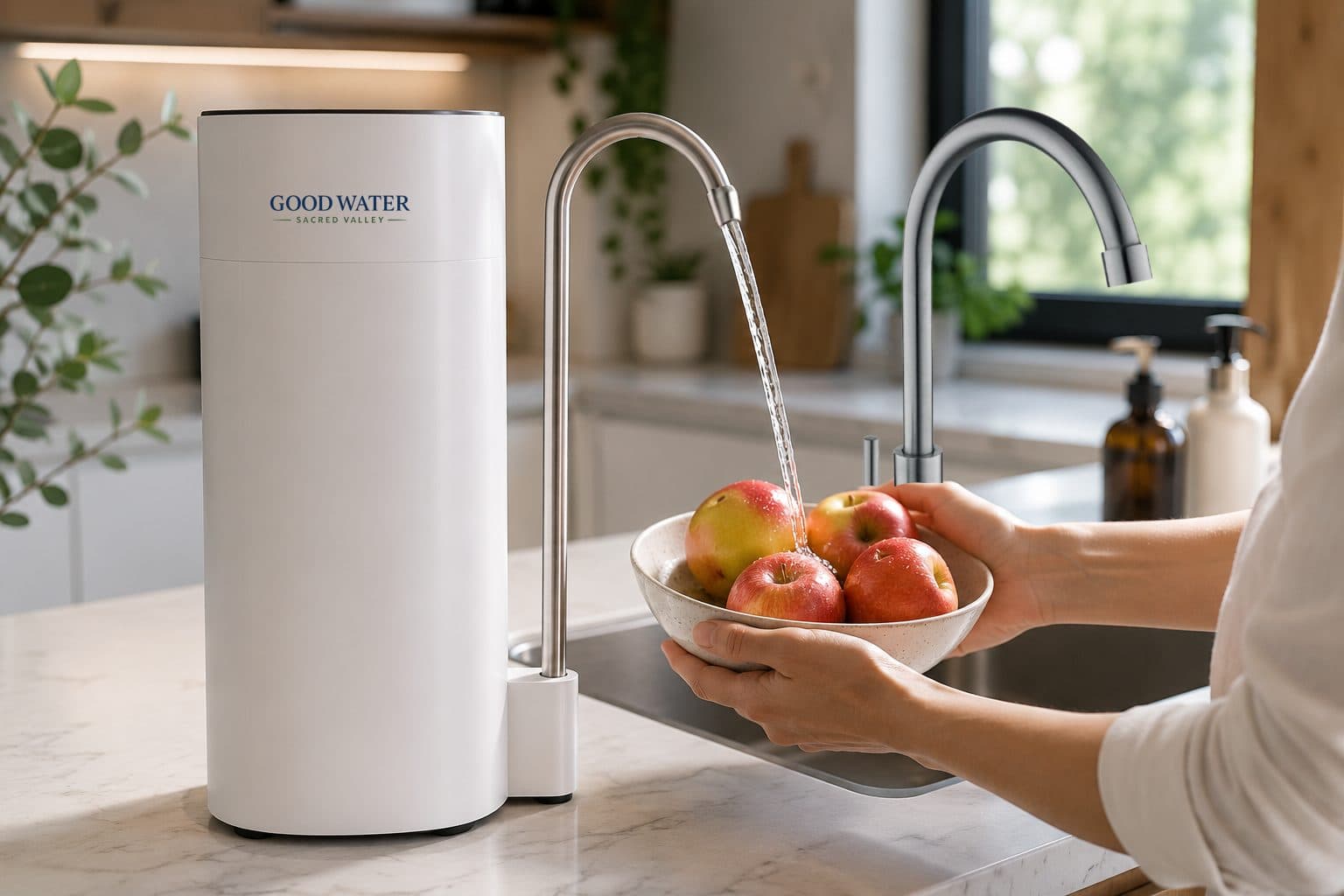
When we turn on the tap, we assume that clear water is safe water. But clarity doesn't guarantee purity — many of the most dangerous contaminants are completely invisible to the naked eye and can only be detected through laboratory analysis or certified filtration systems.
Bacteria & E. coli
Escherichia coli (E. coli) is one of the most common indicators of water contamination. Its presence signals contact with fecal matter and can cause:
- Severe diarrhea and vomiting
- Dehydration
- Serious infections, especially in children, the elderly, and immunocompromised individuals
Sediments
Sand, clay, metal oxides, and organic matter don't just affect the taste and appearance of water. They also shelter microorganisms and reduce the effectiveness of disinfection systems — creating a silent health risk that's easy to overlook.
Microplastics
Recent studies have detected microplastics in human blood, lungs, and placenta. These particles come from the breakdown of plastics, textile fibers, and packaging, and are already present in tap water, bottled water, and even rainwater. Long-term health effects are still being studied, but public health agencies worldwide are raising serious concerns.
Fecal Coliforms
Fecal coliforms are bacteria that indicate contamination with fecal matter. Their presence alone is enough to declare water unsafe for consumption, as it suggests that viruses, parasites, and other dangerous pathogens may also be present.
The Solution: Certified Filtration
At Good Water, every drop goes through filtration processes specifically designed to remove bacteria, E. coli, sediments, microplastics, and fecal contaminants — all backed by ongoing quality controls. It's not just about water that looks clean. It's about water that is proven to be clean.
Safe drinking water shouldn't be a luxury or a matter of blind trust — it should be the standard.